

Plant tissues are highly heterogeneous. A cotyledon, root tip, or leaf contains multiple cell populations with distinct developmental states, regulatory programs, and environmental responses. In bulk RNA-seq, these signals are averaged together, which can mask changes occurring in rare or specific cell types.
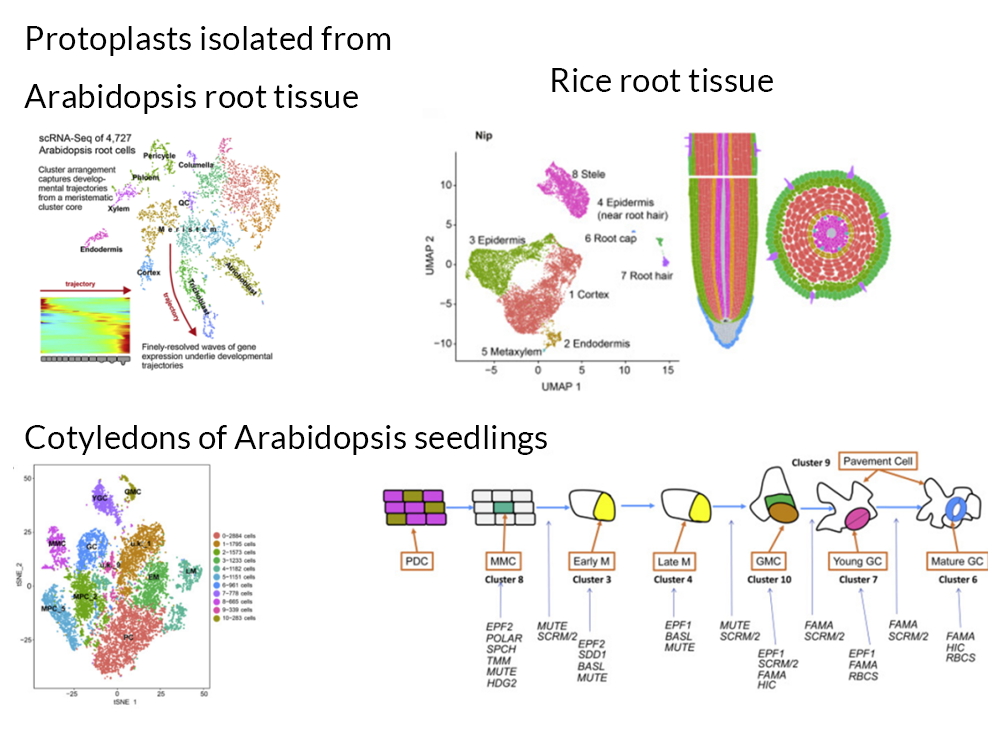
Plant single-cell RNA sequencing (plant scRNA-seq) addresses this limitation by profiling gene expression at single-cell resolution. It allows researchers to determine which cell types express a gene, how expression changes during differentiation, and whether a biological response is restricted to a particular lineage or tissue compartment.
Despite its value, plant scRNA-seq is often limited by sample preparation. Rigid cell walls, tissue-specific dissociation behavior, and dissociation-induced transcriptional artifacts can make it difficult to recover high-quality single-cell transcriptomic data, especially from field-collected, frozen, or hard-to-dissociate plant tissues. To help address this bottleneck, Omics Empower now provides FX-Cell™-based plant single-cell RNA-seq services. This recently introduced patented protoplast preparation workflow is designed for challenging plant samples while supporting whole-cell transcriptome profiling, helping retain broader cellular RNA information compared with nuclear-only approaches.
Below are several representative plant single-cell RNA-seq studies supported by Omicsempower.
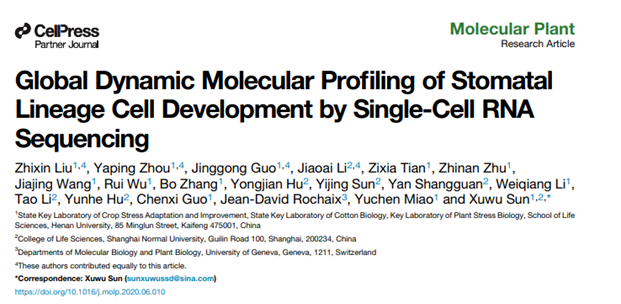
Journal: Molecular Plant
Published: June 24, 2020
DOI: 10.1016/j.molp.2020.06.010
Sample: Protoplasts from cotyledons of 5-day-old Arabidopsis seedlings
Technology: 10x Genomics scRNA-seq(Service Provider: Omics Empower)
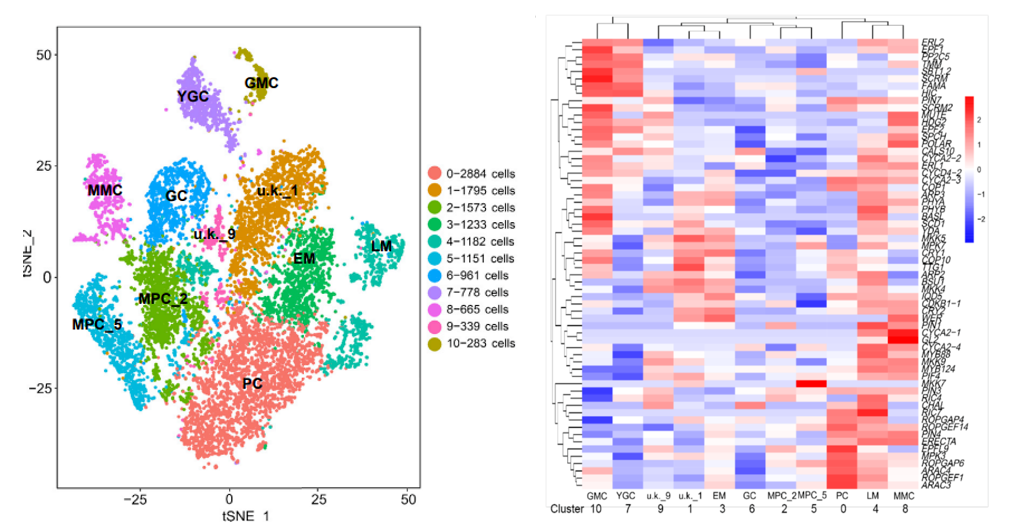
This study first performed standard cell type annotation using plant single-cell RNA-seq data. Based on literature-defined markers, the authors identified nine known cell types, plus two additional clusters that could not be assigned using known marker genes. Heatmaps and violin plots were used to visualize the top 10 marker genes per cluster.
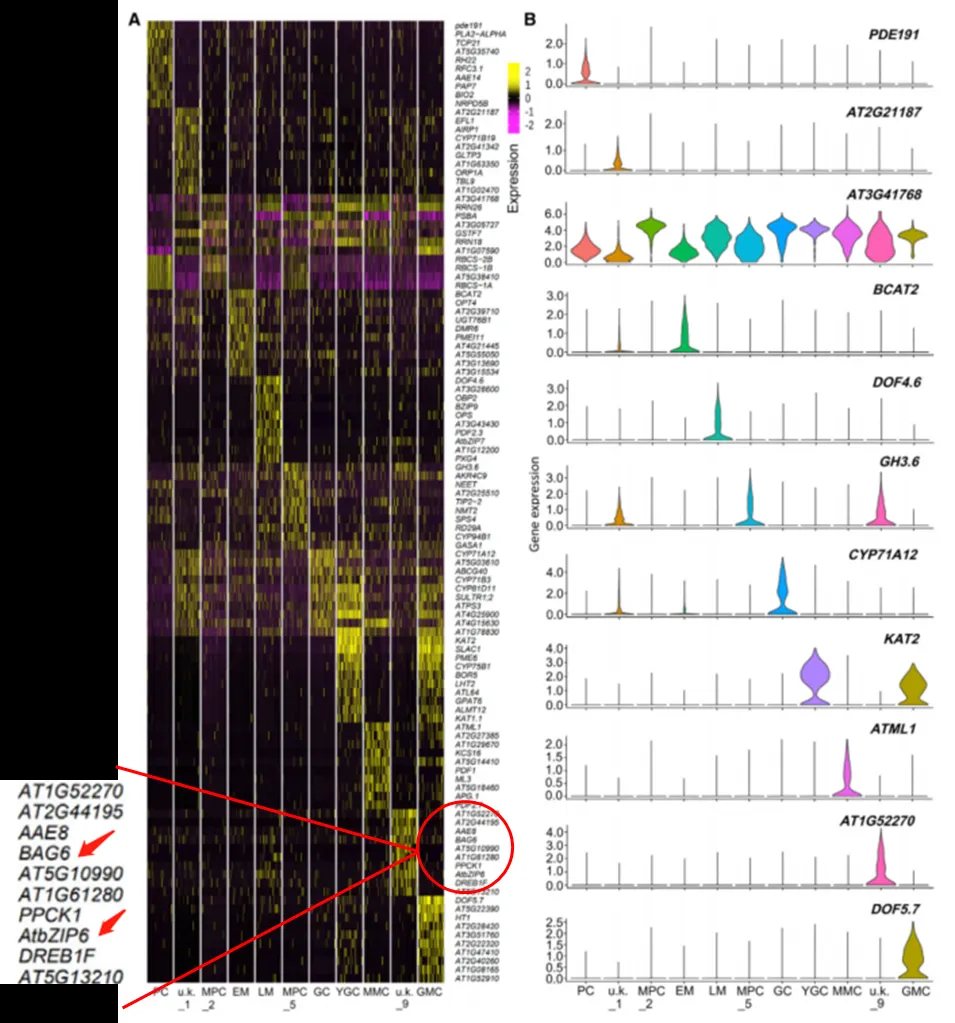
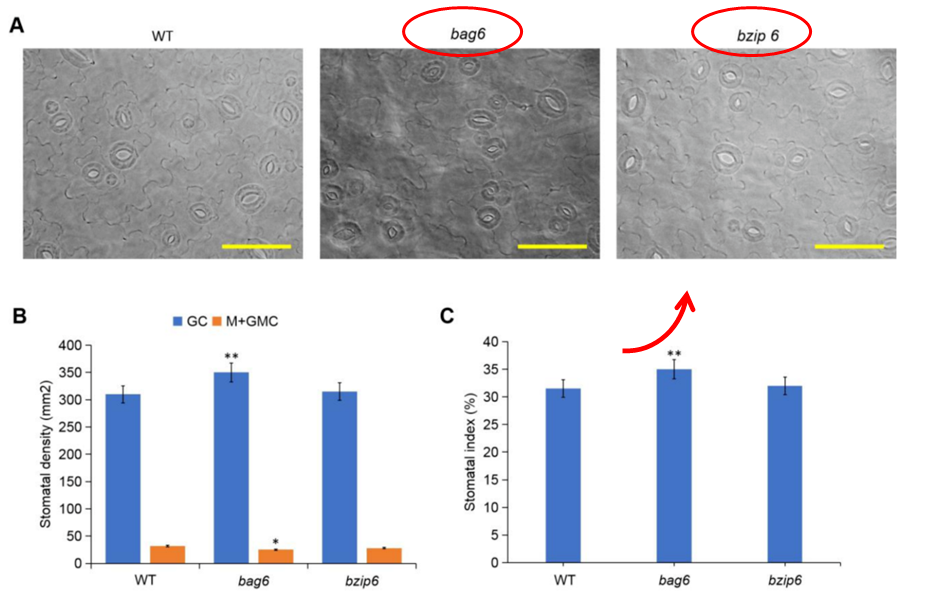
Because plant cell marker annotation remains limited, the authors validated marker genes using two complementary strategies. First, they analyzed gene functions to infer potential cell roles. They generated bag6 and bzip6 mutants and found that bag6 mutants showed an increased stomatal index, suggesting that BAG6 plays a role in stomatal development and that Cluster 9 is associated with this biological process.
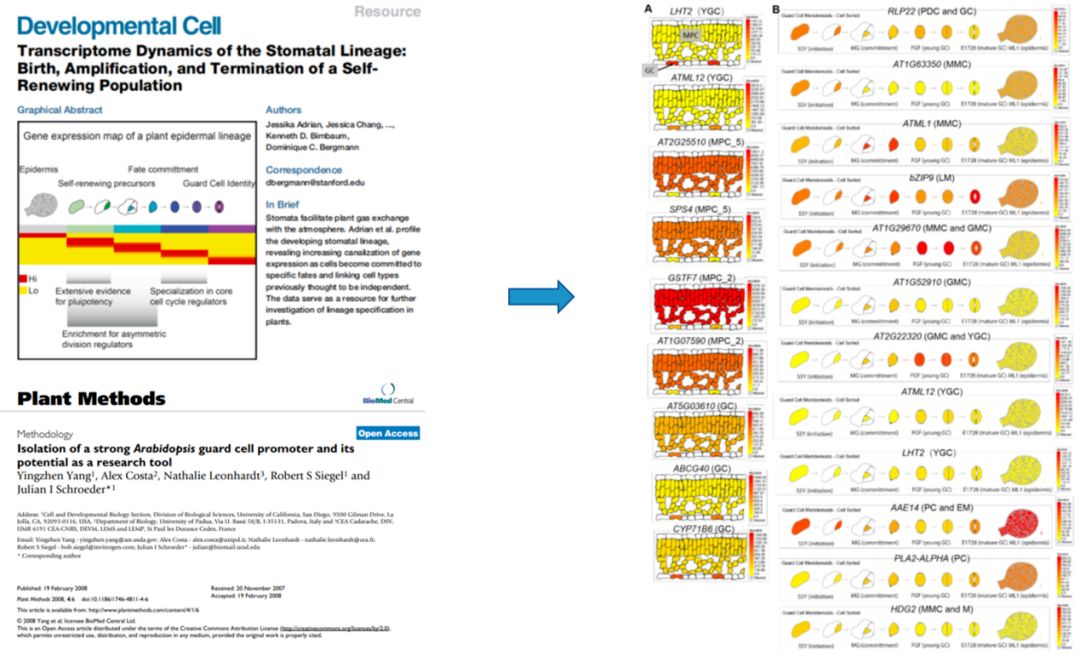
Second, they mapped marker genes onto a previously published Arabidopsis dataset (Adrian et al., 2015), which used FACS-sorted cotyledon cells. Many top marker genes showed consistent expression patterns, supporting the reliability of single-cell RNA-seq clustering results.
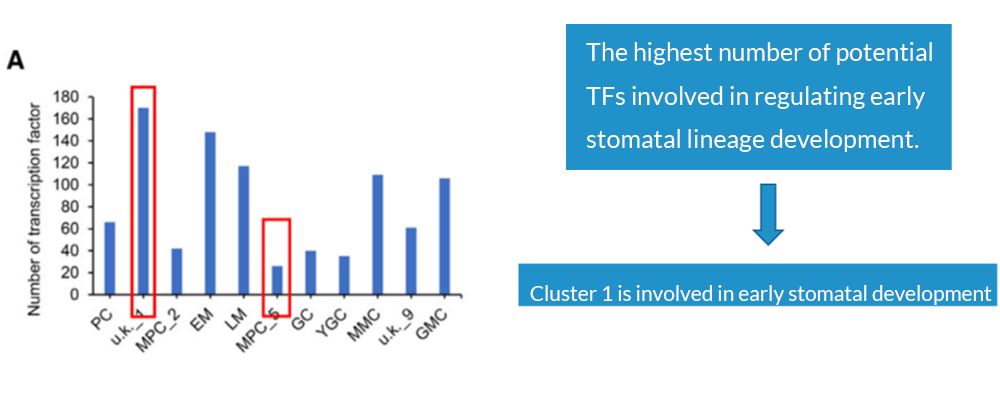
After cell type confirmation, the authors analyzed transcription factors (TFs) involved in early stomatal lineage development. Cluster 1 contained the highest number of TFs, while MPC_5 contained the fewest. Cluster 9 was associated with stomatal regulation, whereas Cluster 1 was linked to early developmental stages.
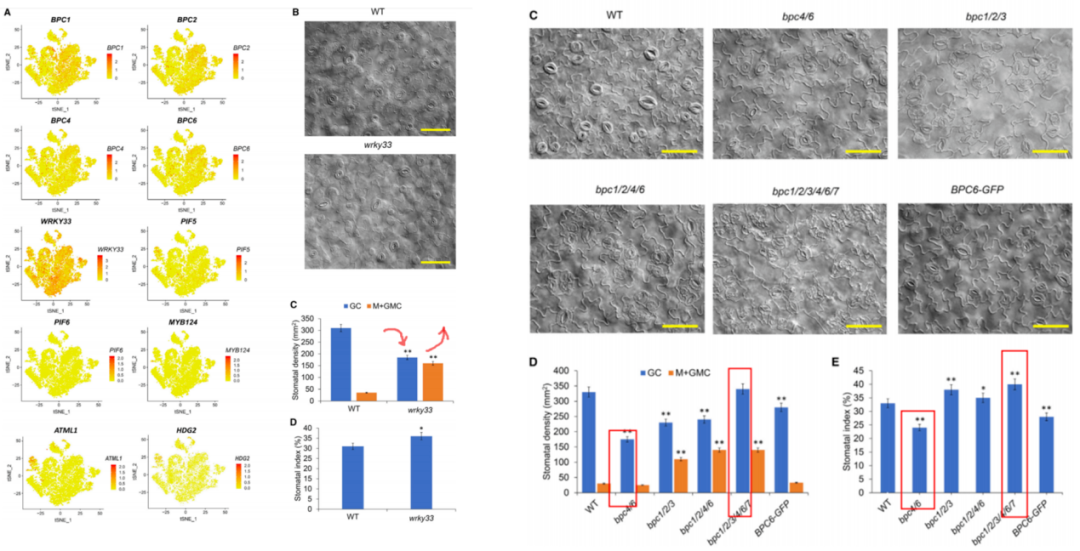
Focusing on four early stomatal lineage cell types (MMC, LM, EM, GMC), the authors constructed a transcription factor regulatory network based on single-cell co-expression analysis. Key TFs included ATML1, BPC1, BPC6, SCRM, PIF5, and WRKY33. These TFs showed strong expression across stomatal lineage cells and are known to regulate plant development and stress responses. Further analysis suggested that BPC1 and BPC6 jointly regulate early stomatal lineage development.
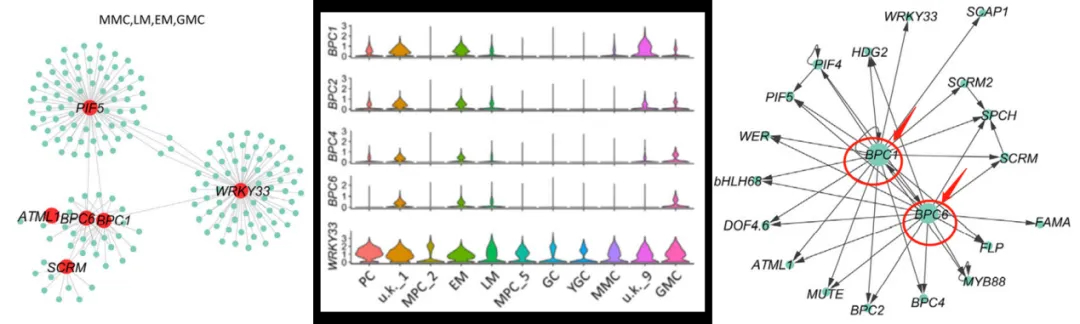
Expression pattern analysis showed that BPC1/2/4/6 were mainly enriched in MMCs, EMs, and GMCs, while WRKY33 was broadly expressed across all cell types. Functional mutant analysis showed that WRKY33 mutants had increased M and GMC cell proportions but decreased GC cells, supporting a regulatory role of BPC transcription factors in stomatal development.
Finally, pseudotime analysis using Monocle 2 revealed three differentiation branches, clearly reconstructing the developmental trajectory from MMC to GC cells.
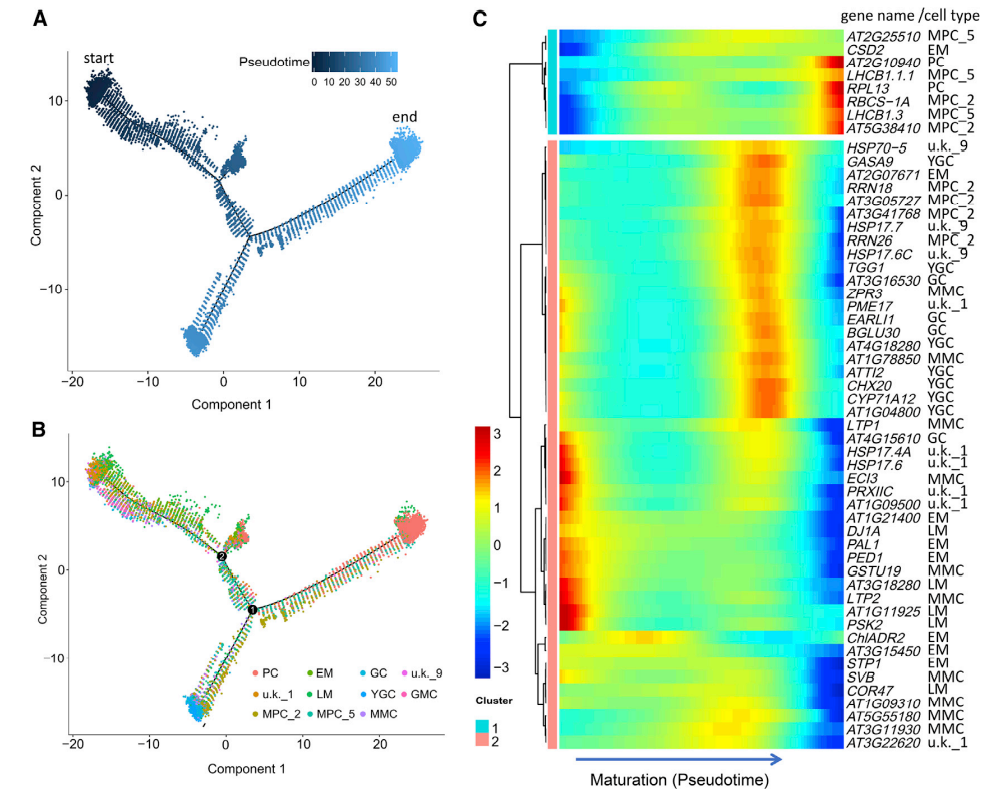
Overall, this plant single-cell RNA-seq study identified cell-type-specific marker genes, reconstructed developmental trajectories, and built transcription factor regulatory networks during stomatal development.
Journal: Frontiers in Plant Science
Published: November 16, 2020
DOI: 10.3389/fpls.2020.603302
Sample: Protoplasts from MH63 rice seedlings
Technology: 10x Genomics scRNA-seq(Service Provider: Omics Empower)
In this study, the main focus was to use single-cell RNA sequencing to identify target genes of a transcription factor.
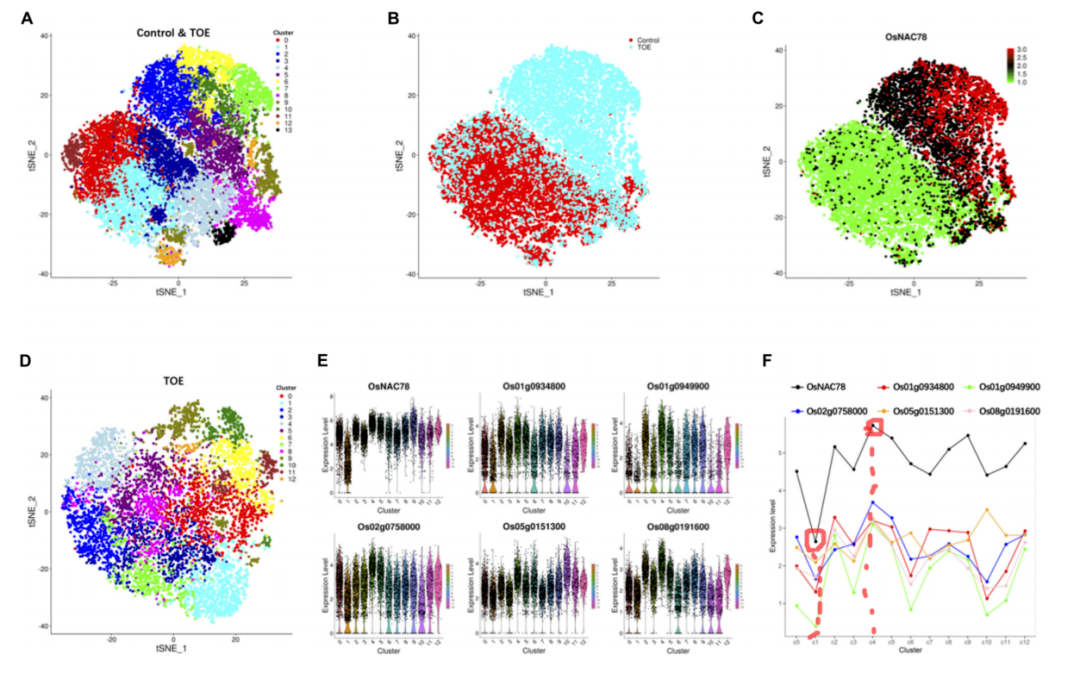
To investigate the target genes of the transcription factor OsNAC78, the authors overexpressed OsNAC78 in MH63 rice seedlings, with wild-type MH63 seedlings serving as the control.
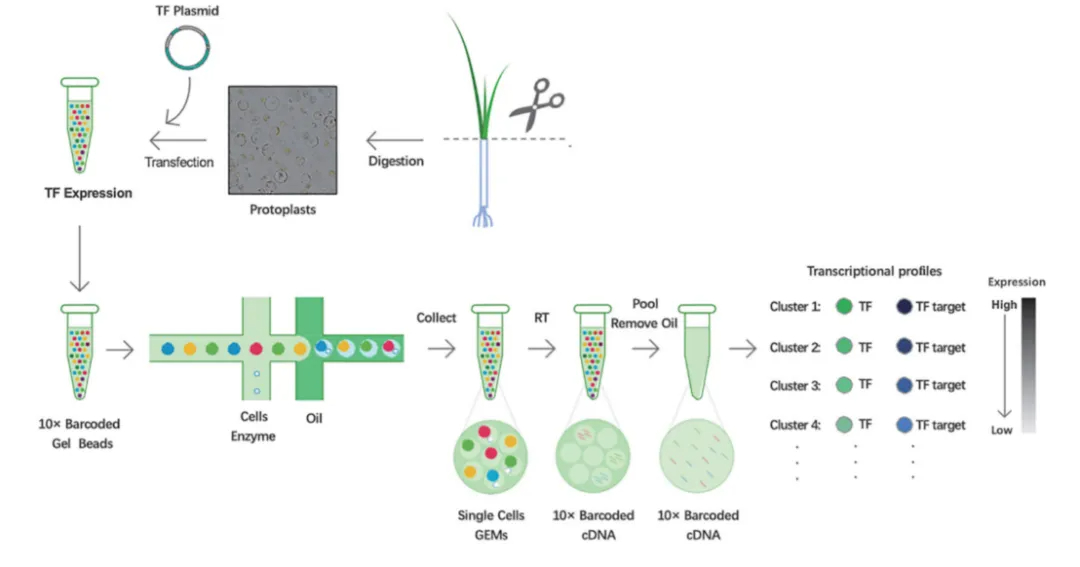
By performing subpopulation analysis on cells with high OsNAC78 expression, they found that Cluster 1 showed the highest OsNAC78 expression, while Cluster 4 showed the lowest.
The authors then conducted differential expression analysis between Cluster 1 and Cluster 4, and identified 19 candidate genes that were upregulated in Cluster 4.
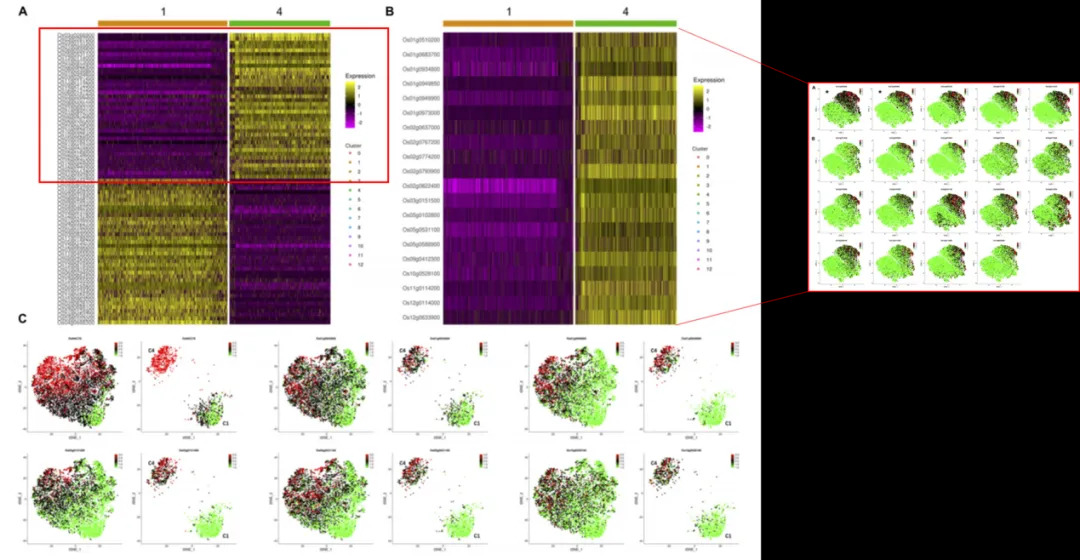
Next, they overexpressed OsNAC78 to examine which genes were consistently upregulated alongside it. This analysis narrowed the candidates down to two genes.
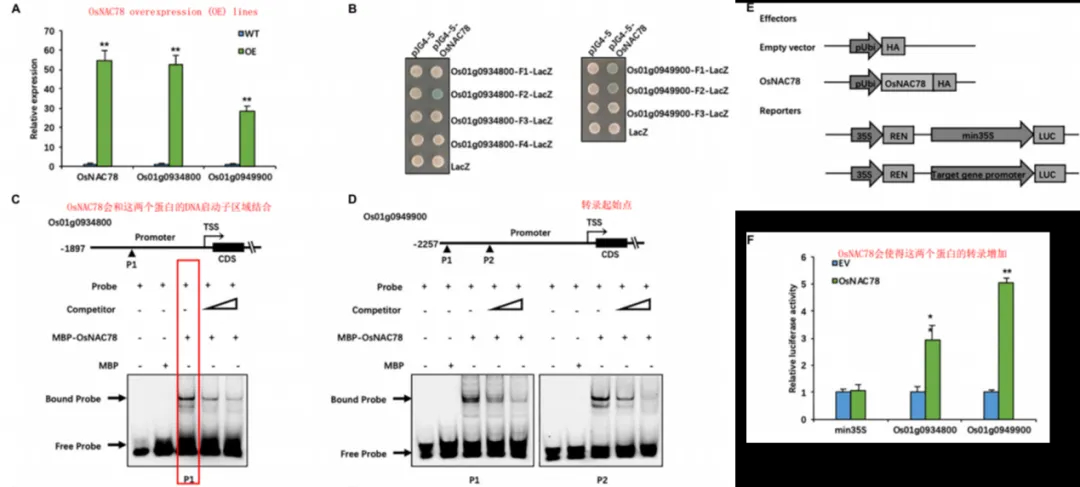
Based on literature research and related approaches, the authors constructed reporter plasmids containing the promoters of Os01g0934800 and Os01g0949900. Yeast one-hybrid assays were then performed to test whether OsNAC78 could bind to these promoters.
After identifying the binding events, the authors further validated the results using EMSA and luciferase reporter assays. These experiments confirmed that Os01g0934800 and Os01g0949900 are direct target genes of OsNAC78.
Journal: The Plant Journal
Published: February 26, 2022
DOI: 10.1111/tpj.15719
Sample: Protoplasts from 3-day-old Arabidopsis cotyledons
Technology: 10x Genomics scRNA-seq(Service Provider: Omics Empower)
In this study, the authors focused on the regulatory mechanisms underlying vein development, and explored several strategies to identify genes activated during this process. Two main approaches were used: (1) generating mutants for the top 10 genes in each cluster and screening for vein development phenotypes; and (2) analyzing transcription factor regulatory networks in key cell types to identify core transcription factors, followed by mutant-based validation.
The study began with standard cell type identification. Based on literature curation, the authors defined nine known cell types, along with one additional cluster that could not be assigned using known marker genes.
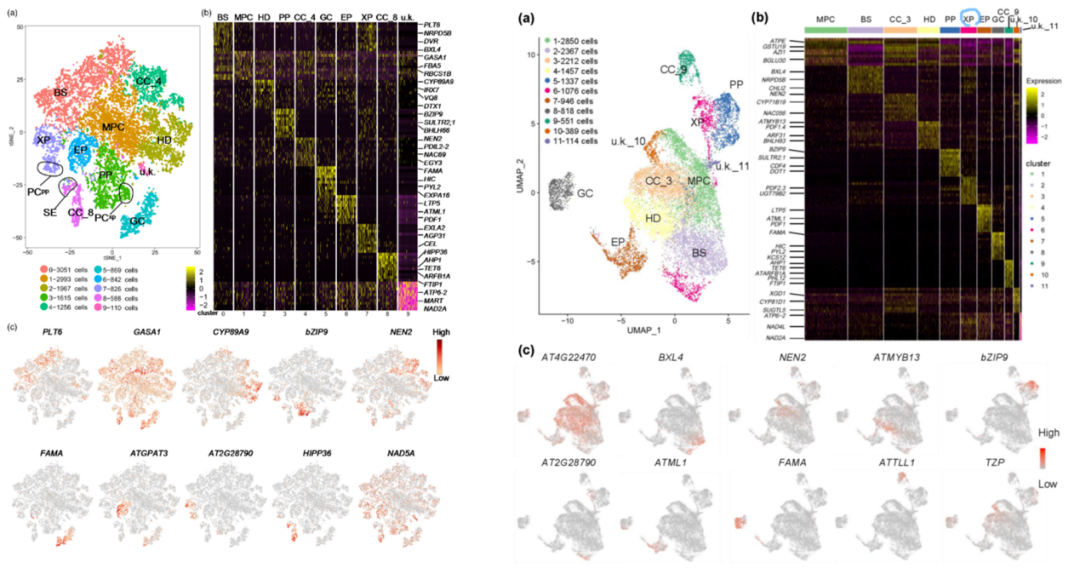
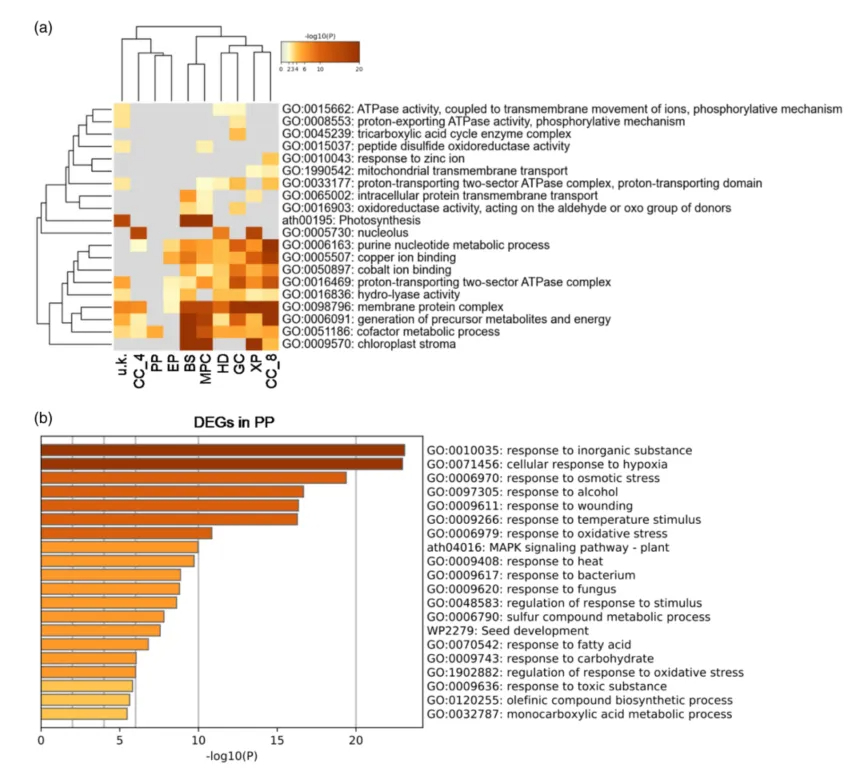
Differentially expressed genes across clusters were then subjected to enrichment analysis, which further supported the reliability of the cell type annotation.
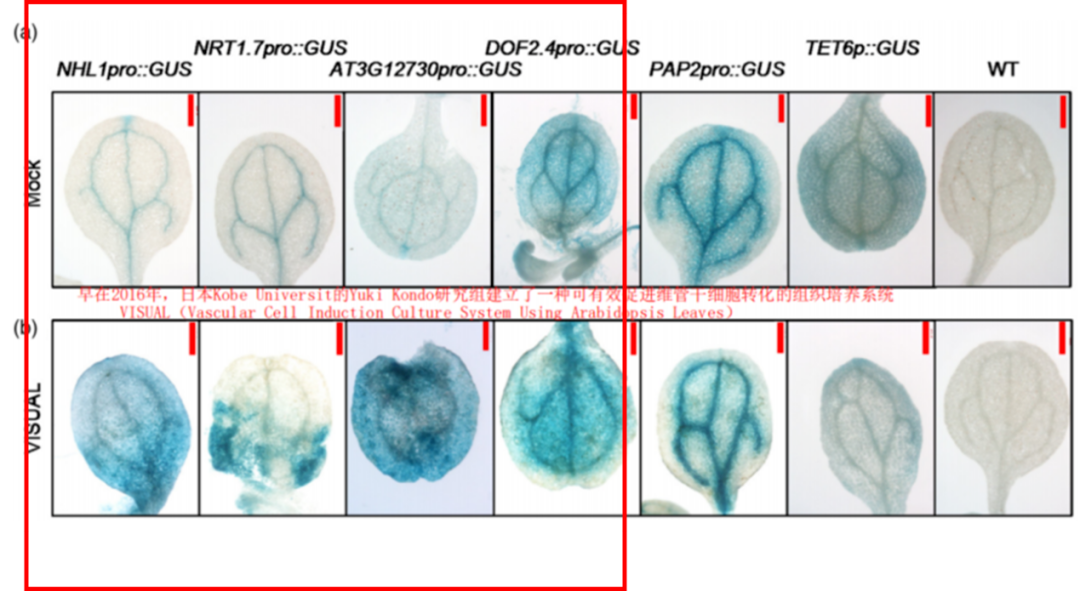
To identify genes activated during vein development, the authors generated mutants for the top 10 genes in each cluster and examined vein development phenotypes. The results showed that the genes highlighted in red were activated during the vein development process.
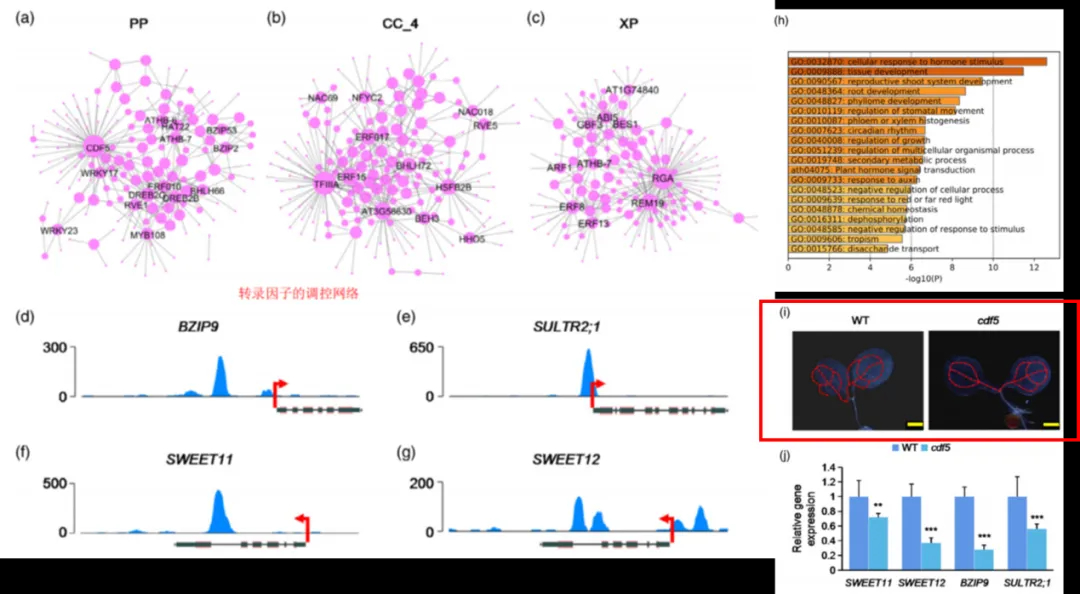
To further investigate the regulatory mechanisms of cotyledon vein development, the authors analyzed transcription factor regulatory networks in specific cell types. Core transcription factors identified in PP, CC_4, and XP were CDF5, ERF15, and RGA, respectively. By integrating previously published DAP-seq (DNA affinity purification sequencing) data, they identified the downstream target genes of CDF5. GO enrichment analysis was then performed on these target genes.
To validate these findings, qRT-PCR was conducted to measure the expression of CDF5 downstream target genes in leaves from wild-type and CDF5 mutant plants. The results showed that these target genes were downregulated in the mutant, further supporting the DAP-seq data. In addition, CDF5 mutant lines were generated, and vein development assays demonstrated that CDF5 is activated during vein development.
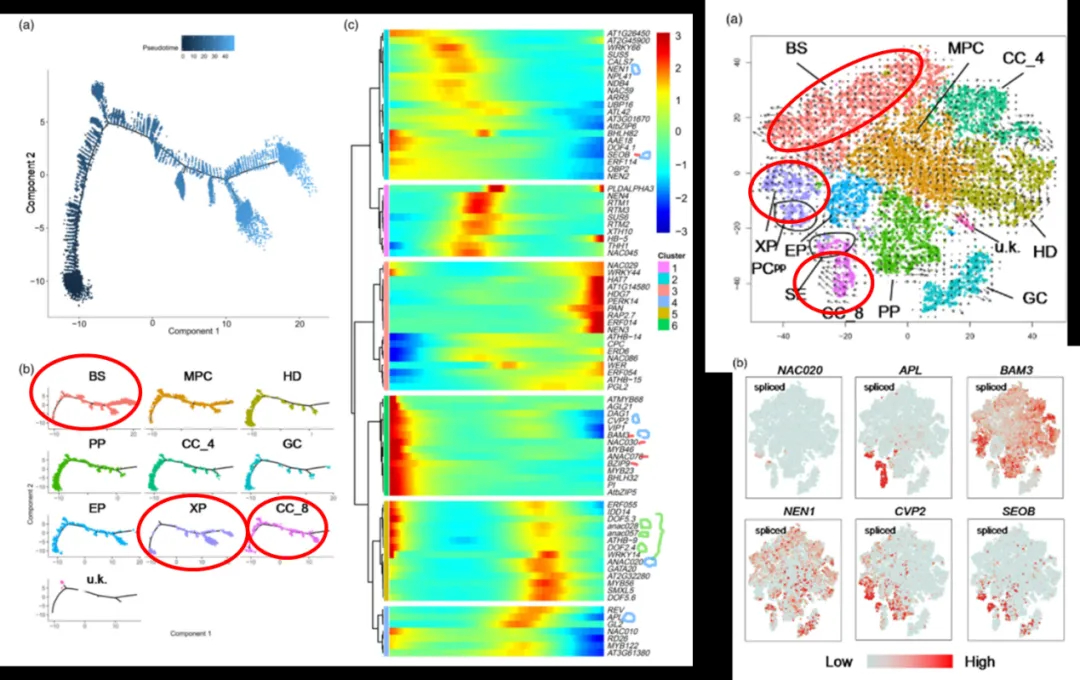
Finally, to characterize the developmental trajectory of vein differentiation, the authors performed pseudotime analysis of the scRNA-seq data using Monocle 2, combined with RNA velocity analysis. They found that cells in the BS, XP, and CC_8 clusters exhibited significant changes in RNA velocity, suggesting that these clusters represent rapidly differentiating cell populations. Consistent with the pseudotime results, BS, XP, and CC_8 were enriched at later pseudotime stages, indicating their potential involvement in vein development. The pseudotime heatmap further illustrated dynamic changes in gene expression along the developmental trajectory.
Journal: The Crop Journal
Published: March 9, 2022
DOI: 10.1016/j.cj.2022.02.004
Sample: Root protoplasts from B73 maize seedlings
Technology: 10x Genomics scRNA-seq(Service Provider: Omics Empower)
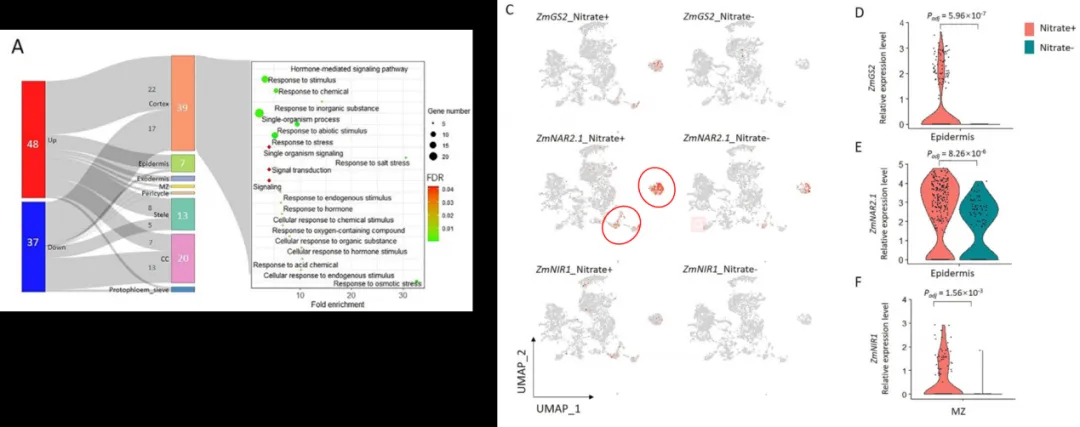
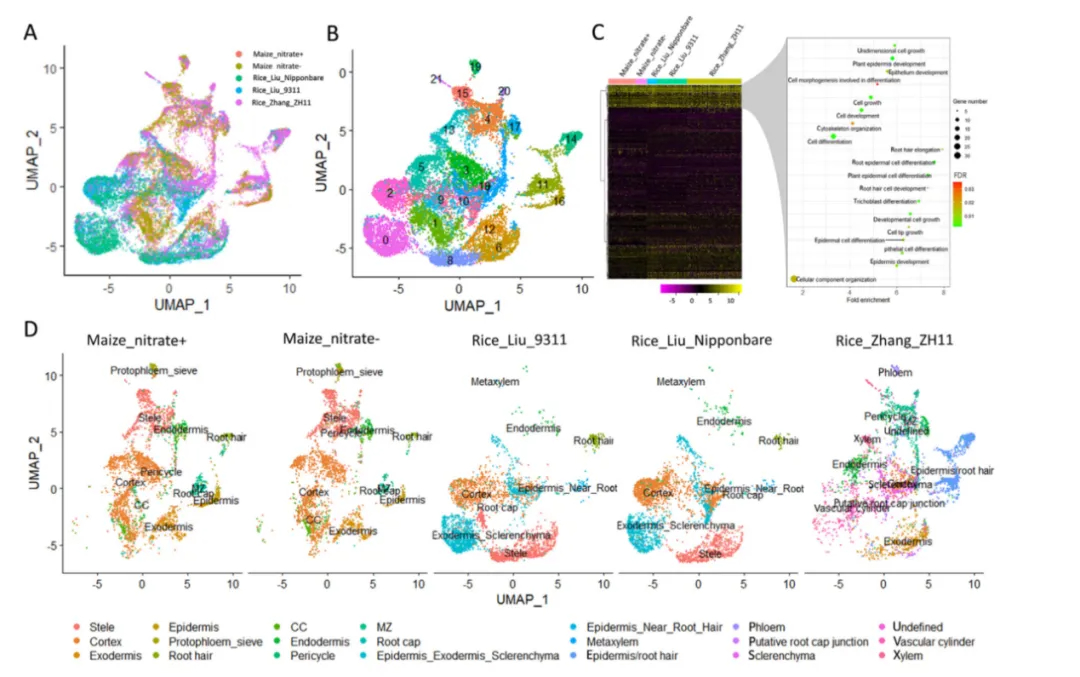
In this study, the authors aimed to identify nitrate-responsive genes that are specifically activated under nitrate stress conditions. To achieve this, they performed single-cell transcriptome analysis on maize roots grown in media with nitrate (nitrate+) and without nitrate (nitrate−).
As in many single-cell studies, the analysis began with cell type identification. In Figure F, marker genes for different cell types are shown. Figure G presents a bubble plot illustrating the correlation between clusters and known cell types, such as pericycle and root hair cells. The results showed that Cluster 8 is highly correlated with pericycle cells, while Cluster 5 is strongly associated with root hair cells, which is consistent with the cell type annotation. In Figure 2, functional enrichment analysis was performed for each identified cell type.
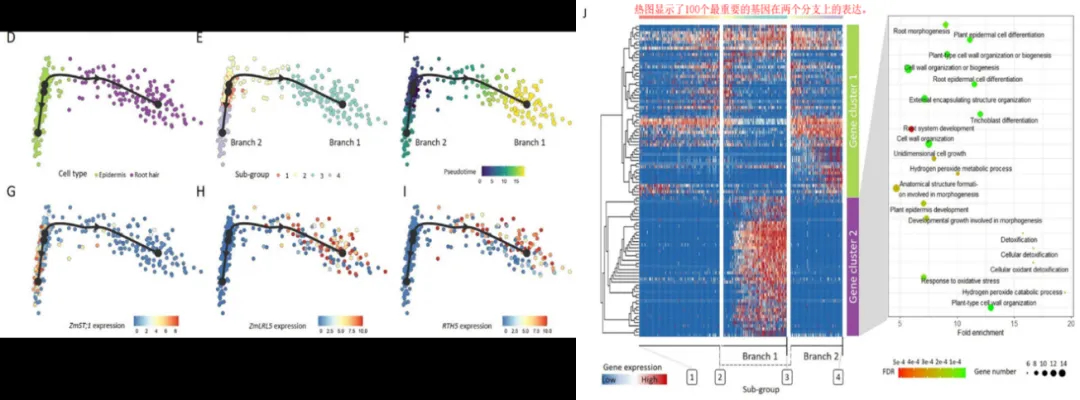
The authors then used the Slingshot algorithm to investigate the differentiation trajectory from epidermal cells to root hair cells. The results clearly showed that root hair cells are derived from epidermal cells.
Next, the top 100 genes along the trajectory were selected and subjected to hierarchical clustering based on their expression patterns, resulting in two gene clusters. Notably, the second gene cluster showed substantial differences between the two branches of the trajectory. The authors then performed enrichment analysis on this set of genes.
These results reflect transcriptional reprogramming during the differentiation of root epidermal cells and effectively recapitulate the developmental process of root hair formation.
Finally, the authors compared the maize root single-cell transcriptome data with published single-cell datasets from three rice varieties. In Figure C, they identified 58 conserved homologous genes that are highly expressed in root hair cells in both species. Enrichment analysis showed that these genes are involved in root hair development and epidermal cell differentiation. Figure D shows UMAP visualization of root cells from maize and rice.
If you are planning a single-cell sequencing project and want to generate high-quality data for reliable cell type and cell subtype identification, Omics Empower can support your research with professional single-cell sequencing services.

Researchers worldwide trust our data: more than 500 peer-reviewed publications have been generated using our single-cell and spatial transcriptomics services, including studies in Nature, Science, and Cell. From library preparation to bioinformatics and publication-ready figures, we deliver end-to-end support to help you advance your next single-cell project.
If you are planning a single-cell sequencing project, these articles may help you evaluate cell sorting strategies, compare platform options, and optimize your experimental workflow from sample preparation to downstream analysis:
A Complete Guide to Single-Nucleus RNA Sequencing (snRNA-seq)
How to Use Flow Cytometry (FACS) Effectively for Single-Cell Sequencing
Is Cell Subtype Annotation Necessary in Single-Cell RNA Sequencing?
1. Liu Z. et al. Global Dynamic Molecular Profiling of Stomatal Lineage Cell Development by Single-Cell RNA Sequencing. Molecular Plant. 2020. DOI: 10.1016/j.molp.2020.06.010 https://doi.org/10.1016/j.molp.2020.06.010
2. Xie Y. et al. Single-Cell RNA Sequencing Efficiently Predicts Transcription Factor Targets in Plants. Frontiers in Plant Science. 2020. DOI: 10.3389/fpls.2020.603302 https://doi.org/10.3389/fpls.2020.603302
3. Liu Z. et al. Identification of novel regulators required for early development of vein pattern in the cotyledons by single-cell RNA-sequencing. The Plant Journal. 2022. DOI: 10.1111/tpj.15719 https://doi.org/10.1111/tpj.15719
4. Li X. et al. Single-cell RNA sequencing reveals the landscape of maize root tips and assists in identification of cell type-specific nitrate-response genes. The Crop Journal. 2022. DOI: 10.1016/j.cj.2022.02.004 https://doi.org/10.1016/j.cj.2022.02.004
Germany: Arnold-Graffi-Haus / D85 Robert-Rössle-Straße 10 13125 Berlin
United States: (CA) 2 Goddard, Irvine, CA 92618
United States: (IL) 8255 Lemont Rd, #1, Darien, IL 60561
Hong Kong: Unit 615, Building 11W, Hong Kong Science Park, Pak Shek Kok, Hong Kong
Germany: Arnold-Graffi-Haus / D85 Robert-Rössle-Straße 10 13125 Berlin
United States: (CA) 2 Goddard, Irvine, CA 92618
United States: (IL) 8255 Lemont Rd, #1, Darien, IL 60561
Hong Kong: Unit 615, Building 11W, Hong Kong Science Park, Pak Shek Kok, Hong Kong
Germany: Arnold-Graffi-Haus / D85 Robert-Rössle-Straße 10 13125 Berlin
United States: (CA) 2 Goddard, Irvine, CA 92618
United States: (IL) 8255 Lemont Rd, #1, Darien, IL 60561
Hong Kong: Unit 615, Building 11W, Hong Kong Science Park, Pak Shek Kok, Hong Kong

 EN
EN
 de
de