EN
EN
 de
de 








The S0.5 chip is designed for high-resolution spatial transcriptomics of small or micro-sized samples, such as plant root tips, shoot tips, buds, early developmental tissues, or micro-dissected tumor regions.

High-resolution spatial transcriptomics has transformed how researchers study complex biological systems. While many studies focus on large tissues that fit comfortably on a standard 1 cm × 1 cm Stereo-seq chip, an increasing number of research projects involve extremely small samples. These may include tiny plant structures, micro-dissected tumors regions, embryonic tissues, or small biopsy materials. For such samples, a full-size chip is not always necessary, and cost efficiency becomes a critical consideration.
To support research involving small or micro-sized tissues, the Stereo-seq platform now offers the S0.5 chip (0.5 cm × 0.5 cm). This smaller chip retains the high spatial resolution characteristic of Stereo-seq while offering a more economical and practical solution for tiny samples.
Since introducing the Stereo-seq system, Omics Empower has received frequent inquiries about how to select the appropriate chip format and how to prepare small samples effectively. This article provides an overview of the Stereo-seq S0.5 chip and outlines practical experience in handling micro-samples, aiming to help researchers avoid common pitfalls during sample preparation.
Stereo-seq includes both standard and custom chip formats. The standard options are:
S1 chip: 1 cm × 1 cm
S0.5 chip: 0.5 cm × 0.5 cm
These formats cover most common research needs. The S1 chip is suitable for studies focusing on a specific region of an organ or tissue, such as a tumor or a lesion. When the goal is to visualize an entire organ or large structure, custom chips may be required. For example:
Whole mouse brain: approximately 1.3 cm × 1.5 cm
Mouse embryo: approximately 2 cm × 3.5 cm
Primate half-brain: approximately 3.5 cm × 5 cm
The new S0.5 chip offers an economical and flexible option for small samples, particularly in plant research. Structures such as root tips, shoot tips, bud tips, or small lateral buds can be difficult to place and section on larger chips. The high resolution and small footprint of the S0.5 chip make it well suited for these tiny structures, expanding the range of sample types that can be profiled.
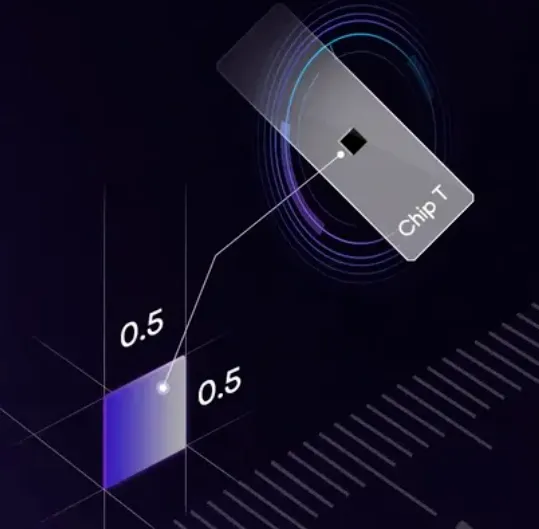
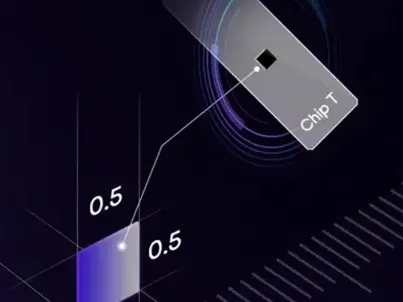
Figure 1. Diagram of the Stereo-seq S0.5 chip and its 0.5 × 0.5 cm capture area
Compared with the standard 1 cm × 1 cm chip, the S0.5 chip provides a clear cost advantage in multiple areas:
1. Chip and reagent consumption is reduced due to the smaller chip area.
2. Sequencing requirements are significantly lower. An S1 chip typically requires about 1 billion reads, whereas the S0.5 chip requires only one-quarter to one-third of that depth.
3. With smaller datasets, storage costs decrease and downstream analysis becomes faster.
4. For studies that involve multiple tiny samples, the savings at the per-sample level can be substantial.
For researchers working with micro-sized samples, the S0.5 chip offers an effective way to balance data quality with cost efficiency.
Working with micro-samples presents challenges at nearly every stage: collection, embedding, sectioning, placement on the chip, staining, and QC. Among these steps, sample collection and embedding are especially critical. The success of downstream experiments and the quality of spatial transcriptomic data often depend on whether the sample was embedded correctly, positioned properly, and preserved without damage.
Because of these challenges, it is important to understand proper methods for handling, embedding, and sectioning tiny tissues. Based on practical experience with Stereo-seq micro-samples, the following guidelines may help researchers avoid common problems during sample preparation.
When collecting small samples (especially those with a diameter less than 1 mm), embedding them directly in OCT makes it difficult to identify their location afterward. This increases the difficulty of sectioning, placing tissue onto the chip, scanning for imaging, and performing QC.
For very small tissues, retaining some non-target surrounding tissue helps:
increase the overall sample volume
reduce mechanical damage during handling and embedding
make it easier to recognize the position and orientation of the target region
facilitate sectioning and chip placement
This simple step improves the success rate of micro-sample experiments.
Unlike 10x Visium Spatial, where a single slide may contain four capture areas (or two areas on CytAssist slides), Stereo-seq chips are individually packaged and processed one at a time. “Multi-sample placement” on Stereo-seq refers to placing multiple sections onto a single chip.
However, because Stereo-seq requires all sections to be placed onto the chip within a short timeframe (no more than five minutes), all samples intended for a single chip must be embedded together in advance, in the same OCT block. This ensures:
consistent orientation
predictable sectioning
efficient transfer of multiple sections during chip placement
This requirement is different from Visium workflows, where samples intended for multiplexing are usually embedded separately.
Several considerations can improve reproducibility and sectioning quality:
1. Before collection, design the sample arrangement within the embedding mold based on sample size, shape, intended cutting direction, and the size of the mold. Ensure total tissue coverage on the chip does not exceed 80 percent.
2. Determine how many samples to embed in one block. Typically, three to five samples per block is appropriate. For fresh samples, complete embedding within 30 minutes to avoid degradation.
3. Prepare at least two possible layout plans to adapt to unexpected situations during embedding.
4. During embedding, first collect and trim all the samples that will be placed in the same block. Place them in the mold in the pre-planned positions. Gently add OCT around the tissues. If samples float or shift, adjust them carefully with clean tweezers to ensure proper orientation. Then freeze the block quickly on crushed dry ice.
5. To improve freezing speed and reduce ice crystal formation, use metal embedding molds instead of plastic molds when possible. Metal molds cool more rapidly and often produce better tissue morphology.
The S0.5 chip is well suited for small plant tissues, early developmental structures, micro-dissected tumor regions, and projects with limited or precious material. Larger tissues or whole-organ mapping may require the S1 or custom chip formats.
Omics Empower can help evaluate sample type, project goals, and sequencing depth to identify the most appropriate chip for your study. We also provide free project consultations for researchers who would like support in planning sample preparation, optimizing tissue handling strategies, or determining whether Stereo-seq S0.5 is the right fit for their work.
As a service provider offering Stereo-seq spatial transcriptomics, Omics Empower provides comprehensive support throughout the entire workflow:
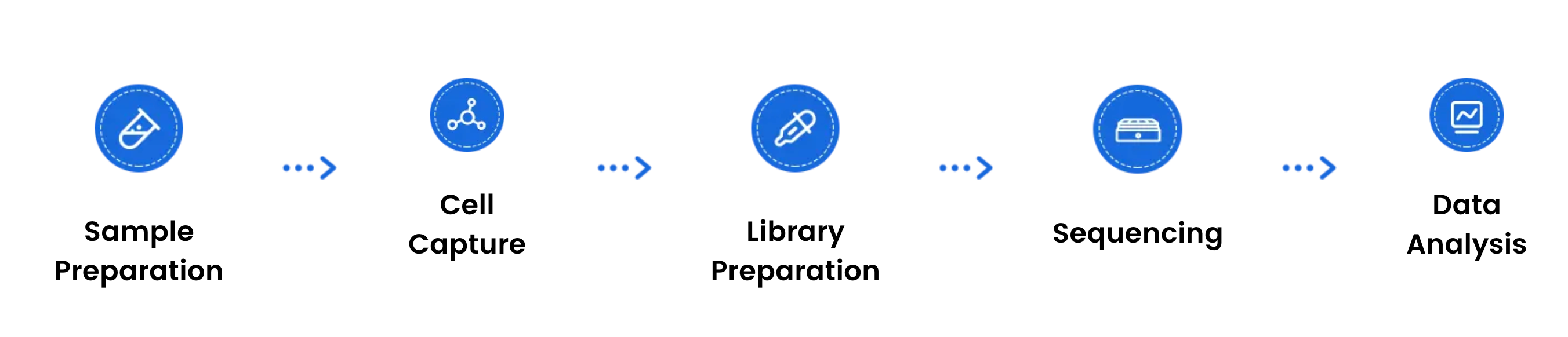
We offer an end-to-end Stereo-seq workflow—from sample preparation and chip selection to library construction, sequencing, and data analysis—so you can focus on the scientific questions. Our teams in Asia, Europe, and North America provide coordinated project support and reliable turnaround times for researchers worldwide.
We have been delivering single-cell and spatial multi-omics services since 2018 and now process more than ten thousand samples each year. This experience with a wide range of tissues, including challenging micro-samples, allows us to provide stable and reproducible Stereo-seq results across S0.5, S1, and custom chip formats.
The S0.5 chip is designed for high-resolution spatial transcriptomics of small or micro-sized samples, such as plant root tips, shoot tips, buds, early developmental tissues, or micro-dissected tumor regions.
Germany: Arnold-Graffi-Haus / D85 Robert-Rössle-Straße 10 13125 Berlin
United States: (CA) 2 Goddard, Irvine, CA 92618
United States: (IL) 8255 Lemont Rd, #1, Darien, IL 60561
Hong Kong: Room 618, Building 6, Hong Kong Science Park, Pak Shek Kok, Hong Kong
Germany: Arnold-Graffi-Haus / D85 Robert-Rössle-Straße 10 13125 Berlin
United States: (CA) 2 Goddard, Irvine, CA 92618
United States: (IL) 8255 Lemont Rd, #1, Darien, IL 60561
Hong Kong: Room 618, Building 6, Hong Kong Science Park, Pak Shek Kok, Hong Kong
Germany: Arnold-Graffi-Haus / D85 Robert-Rössle-Straße 10 13125 Berlin
United States: (CA) 2 Goddard, Irvine, CA 92618
United States: (IL) 8255 Lemont Rd, #1, Darien, IL 60561
Hong Kong: Room 618, Building 6, Hong Kong Science Park, Pak Shek Kok, Hong Kong