EN
EN
 de
de 








Reliable marker selection typically relies on genes supported by multiple studies and validated across datasets. Combining curated marker databases with expression patterns observed in your own single-cell analysis can improve annotation confidence.

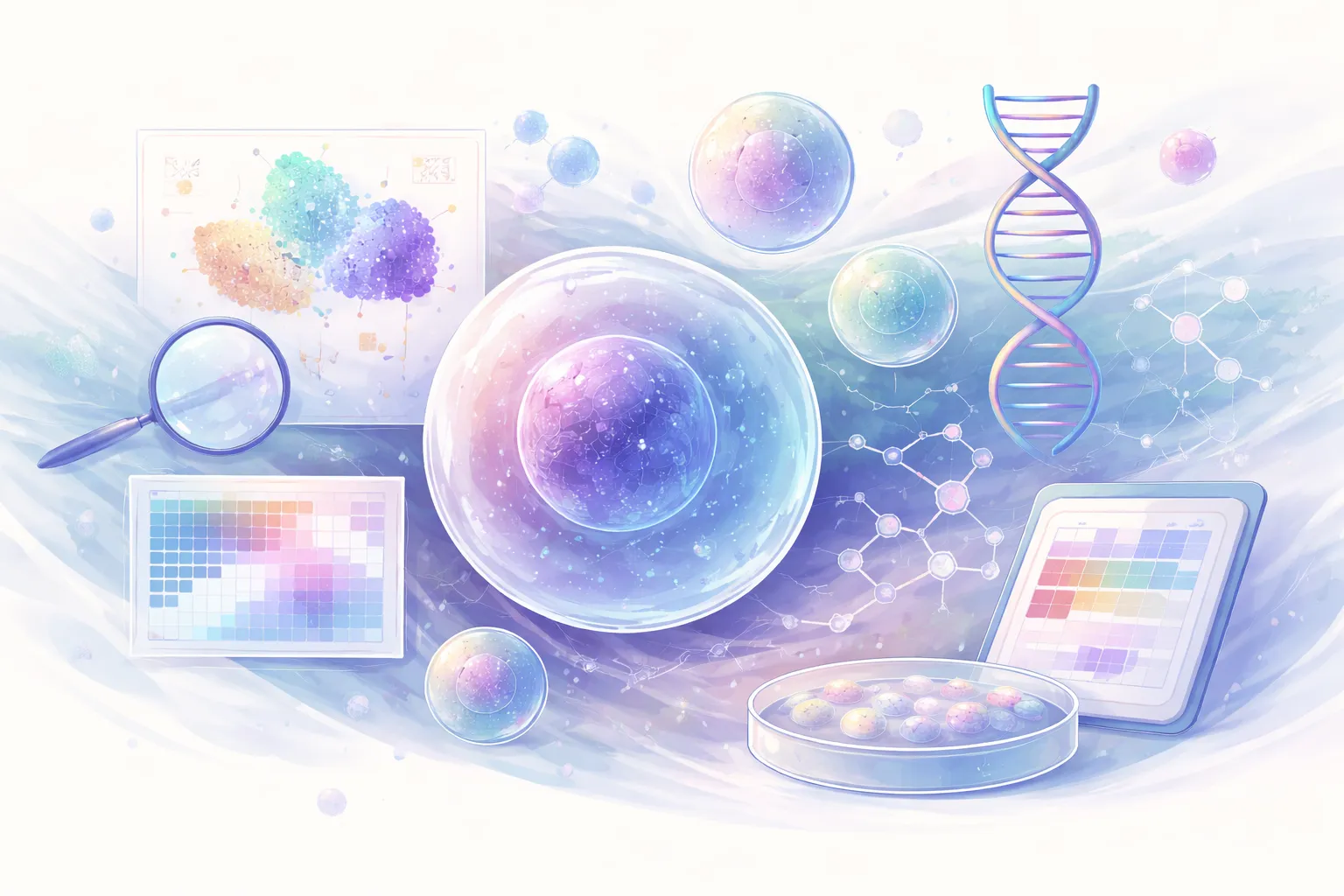
Single cell sequencing has become increasingly accessible, but for many researchers, single-cell analysis remains the most time-consuming and frustrating step of the workflow.
Generating interpretable visualizations, annotating cell types with confidence, and validating marker genes often require switching between multiple platforms—each with its own learning curve. As a result, valuable time is spent troubleshooting tools rather than interpreting biology.
Below, we highlight four practical and widely used tools that can significantly simplify single-cell analysis for single cell sequencing projects, helping researchers move more efficiently from raw data to biological insight.
Effective visualization is the foundation of any single-cell analysis.
Loupe Browser, developed by 10x Genomics, provides an intuitive way to explore scRNA-seq data without requiring programming skills.
Using interactive UMAP and t-SNE plots, researchers can quickly inspect clustering results, examine gene expression patterns, and export publication-ready figures.
This makes Loupe Browser particularly useful for wet-lab scientists who want fast and interpretable visualization of single cell sequencing results.
Best use cases:
Initial data exploration, cluster inspection, and visual presentation of scRNA-seq analysis results.
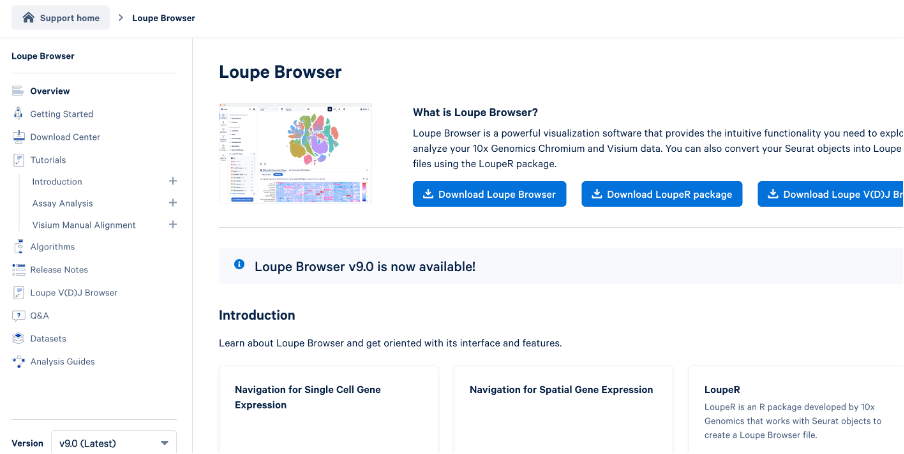
Figure 1. Loupe Browser for scRNA-seq Data Visualization
Accurate cell type annotation is essential for interpreting single-cell analysis results.
Cell Taxonomy aggregates curated marker gene information across multiple species, including human and mouse, offering a reliable reference for cell identity assignment.
Researchers can input gene lists to predict cell types or search for validated marker genes associated with known cell populations.
Markers supported by multiple publications help reduce annotation bias and improve confidence in downstream analysis.
Best use cases:
Cell type annotation, marker gene validation, and early-stage project design for single cell sequencing studies.
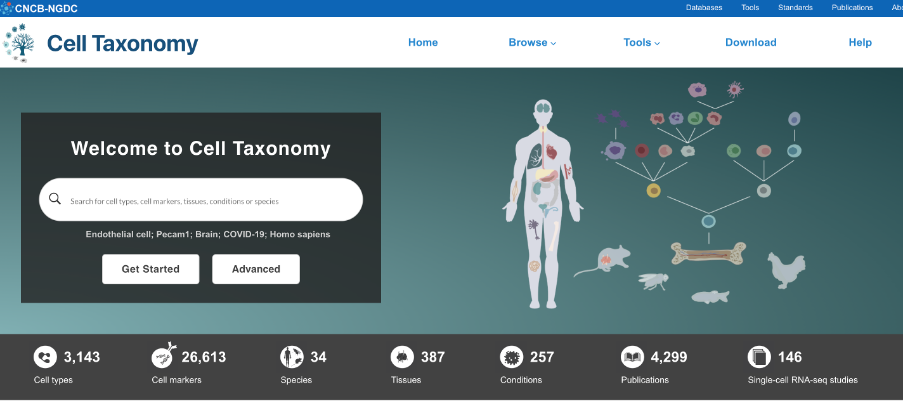
Figure 2. Cell Taxonomy for Marker-Based Cell Type Annotation
As single-cell datasets become more granular, distinguishing closely related cell subtypes requires more than generic markers.
CellMarker provides a structured collection of marker genes across more than 200 cell types and 30 tissues in human and mouse.
All markers are curated from peer-reviewed literature, allowing researchers to systematically select tissue-specific and subtype-specific markers.
The database also supports easy export, enabling seamless integration into downstream single-cell analysis pipelines.
Best use cases:
Sub-cluster refinement, tissue microenvironment analysis, and mechanism-focused interpretation in scRNA-seq studies.
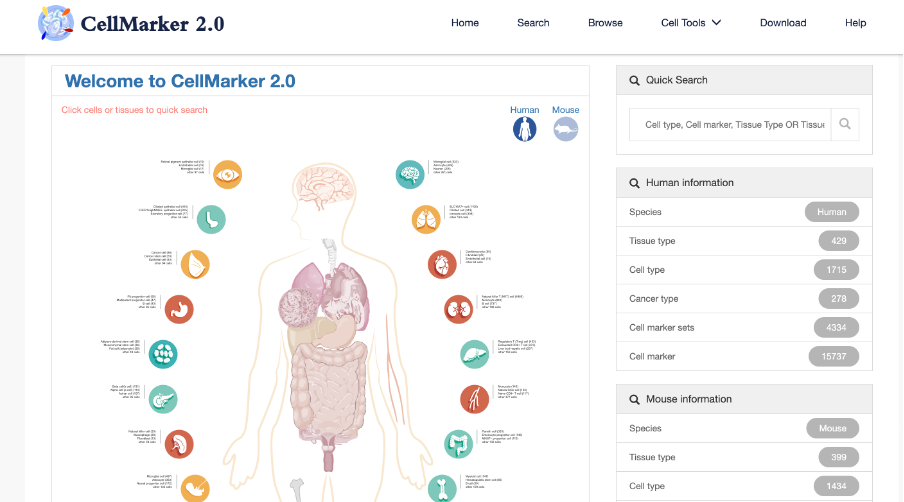
Figure 3. CellMarker Database for Tissue-Specific Marker Genes
Public single cell sequencing datasets offer valuable context for validating new findings.
PanglaoDB enables researchers to explore gene expression patterns across thousands of published scRNA-seq datasets from human and mouse samples.
By filtering datasets by tissue or disease and examining co-expression relationships, researchers can assess whether observed patterns are consistent across studies or conditions.
This is particularly useful for hypothesis generation and feasibility evaluation before large-scale experiments.
Best use cases:
Public data mining, preliminary functional validation, and cross-study comparison in single-cell analysis.
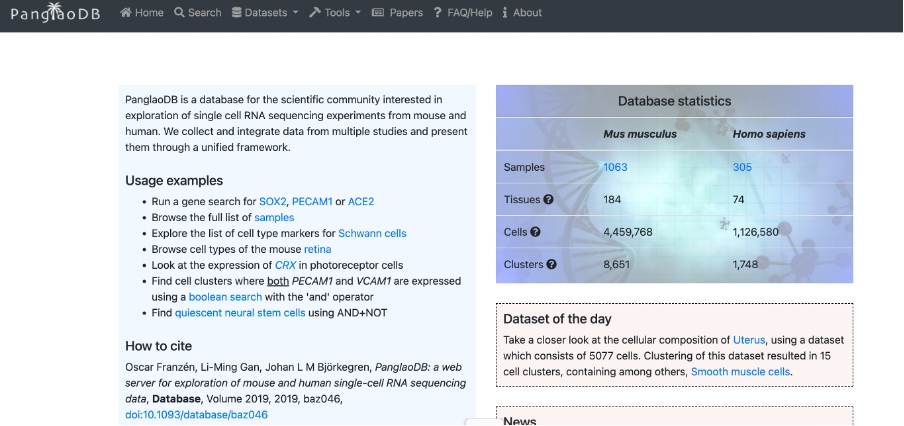
Figure 4. PanglaoDB for Public scRNA-seq Data Exploration
For researchers who prefer to focus on biological questions rather than pipeline construction, professional single-cell sequencing and analysis support can be a practical solution.
Fast turnaround time, consistent data quality, and experimental reliability are often the key concerns in single cell sequencing projects—especially when samples are limited or timelines are tight.
At Omics Empower, we provide end-to-end single cell sequencing and single-cell analysis services with a strong focus on speed, scale, and experimental rigor.
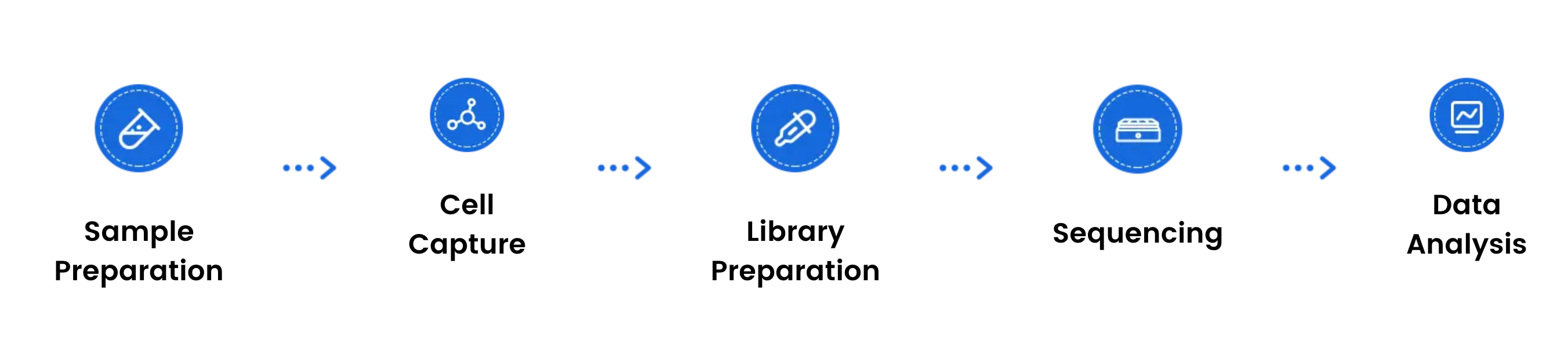
If you are planning a single cell sequencing study or need assistance with downstream scRNA-seq analysis, working with an experienced service provider can help accelerate your research timeline.
Free consultation is available now to discuss your project. You can also view our previous publications for related single cell sequencing and analysis studies.
Reliable marker selection typically relies on genes supported by multiple studies and validated across datasets. Combining curated marker databases with expression patterns observed in your own single-cell analysis can improve annotation confidence.
Germany: Arnold-Graffi-Haus / D85 Robert-Rössle-Straße 10 13125 Berlin
United States: (CA) 2 Goddard, Irvine, CA 92618
United States: (IL) 8255 Lemont Rd, #1, Darien, IL 60561
Hong Kong: Room 618, Building 6, Hong Kong Science Park, Pak Shek Kok, Hong Kong
Germany: Arnold-Graffi-Haus / D85 Robert-Rössle-Straße 10 13125 Berlin
United States: (CA) 2 Goddard, Irvine, CA 92618
United States: (IL) 8255 Lemont Rd, #1, Darien, IL 60561
Hong Kong: Room 618, Building 6, Hong Kong Science Park, Pak Shek Kok, Hong Kong
Germany: Arnold-Graffi-Haus / D85 Robert-Rössle-Straße 10 13125 Berlin
United States: (CA) 2 Goddard, Irvine, CA 92618
United States: (IL) 8255 Lemont Rd, #1, Darien, IL 60561
Hong Kong: Room 618, Building 6, Hong Kong Science Park, Pak Shek Kok, Hong Kong